Tooth extraction can sound a bit frightening—many patients feel nervous just thinking about it. Luckily, with modern dentistry, we can make tooth extraction a safe, quick, and even comfortable process.
In this guide, we dive into exactly what to expect when getting your teeth pulled in Overland Park, so you can book your appointment at Kansas Family Dental feeling prepared and confident.
From our thorough consultation process to our gentle techniques and even IV sedation, we help patients remain comfortable throughout their tooth extraction procedure.
If you need a tooth or multiple teeth extracted, here’s what to expect—and how having the right dental team can make all the difference for your smile and health.
Reasons You Might Need a Tooth Extracted
A tooth may require extraction for many reasons, including:
- Severe Tooth Decay: Also known as dental caries, when tooth decay becomes extreme, it can lead to pain, sensitivity, swelling, redness, abscess formation, loose teeth, and even tooth breakage. When a tooth has extreme decay, we extract it to stop the spread of infection and protect your other teeth.
- Fractured or Broken Teeth: We typically extract teeth with cracks or fractures, especially if those breaks extend below the gumline. These complex tooth extractions require advanced skill from a dentist to prevent infection, discomfort, or further damage to surrounding teeth.
- Impacted Teeth: An impacted tooth is a tooth that’s unable to move up past the gumline. Wisdom teeth are one of the most common types of impacted teeth. Tooth impaction can cause pain, infection, and damage to other teeth if not extracted.
- Overcrowding: To create proper alignment, we may suggest pulling one or more teeth. This gives the rest of your teeth enough space to adjust.
- Infection: We also extract teeth with untreatable infections, such as an abscess.
- Advanced Gum Disease: Gum disease, or periodontal disease, can affect the tissues and bone supporting your teeth. This can lead to loose, painful teeth and, in severe cases, require extraction.
Benefits of Tooth Extraction
We only extract teeth if we can no longer restore them with fillings, crowns, or root canals. If you need your teeth pulled in Overland Park, extraction helps protect your oral health by:
- Relieving Pain: Tooth extraction offers immediate pain relief from decayed, infected, or impacted teeth.
- Preventing the Spread of Infection: An infection in a tooth’s pulp or in the gums won’t clear up on its own. If not eliminated, the bacteria can spread to other teeth, or even spread to other parts of the body in more severe cases. With extraction, we remove the infection and allow the body to heal.
- Creating Space for Proper Alignment: In cases of overcrowding, extracting a tooth can give your other teeth space to realign. We can properly realign teeth with options like braces or clear aligners.
- Preventing Damage From Impacted Teeth: Impacted teeth can push or damage adjacent teeth if left untreated.
The Tooth Extraction Process
In just 3 easy steps, we can quickly and easily perform a tooth extraction. Here’s how:
Step 1: Your Tooth Extraction Consultation
Before we schedule your procedure, we first sit down for a consultation, where we determine if you need teeth pulled in Overland Park. At your consultation, we examine your teeth, learn more about your oral history, and take X-rays of your teeth.
If tooth extraction makes sense for you, we develop a personalized procedure plan. We also walk you through each step of the process so there are no surprises.
We also discuss your sedation and pain relief options, so you can have the most comfortable experience possible.

Emergency Tooth Extractions
We can often perform extractions the same day if patients need teeth pulled in Overland Park, especially if they are in pain. Quick treatment helps prevent more pain and keeps the issue from becoming more serious.
Step 2: The Tooth Extraction Procedure
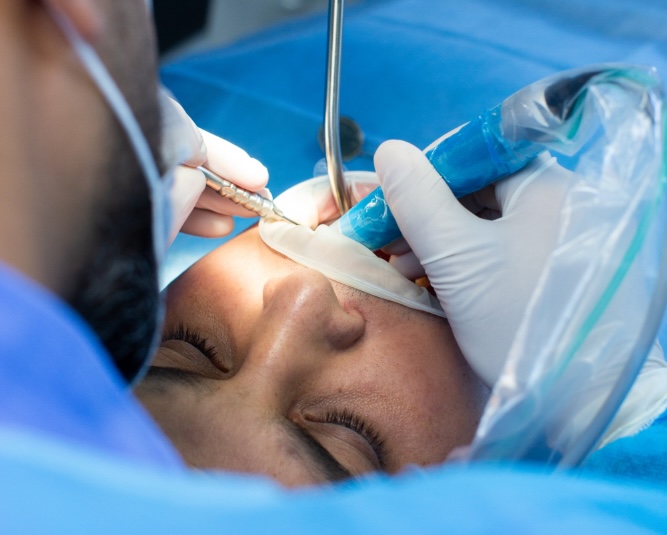
At Kansas Family Dental, we prioritize a calming, supportive approach. We also have a supportive assistant by your side and a friendly, reassuring environment. These little details can make a big difference in helping patients feel at ease. If you opt for IV sedation, we also prepare and administer the sedative.
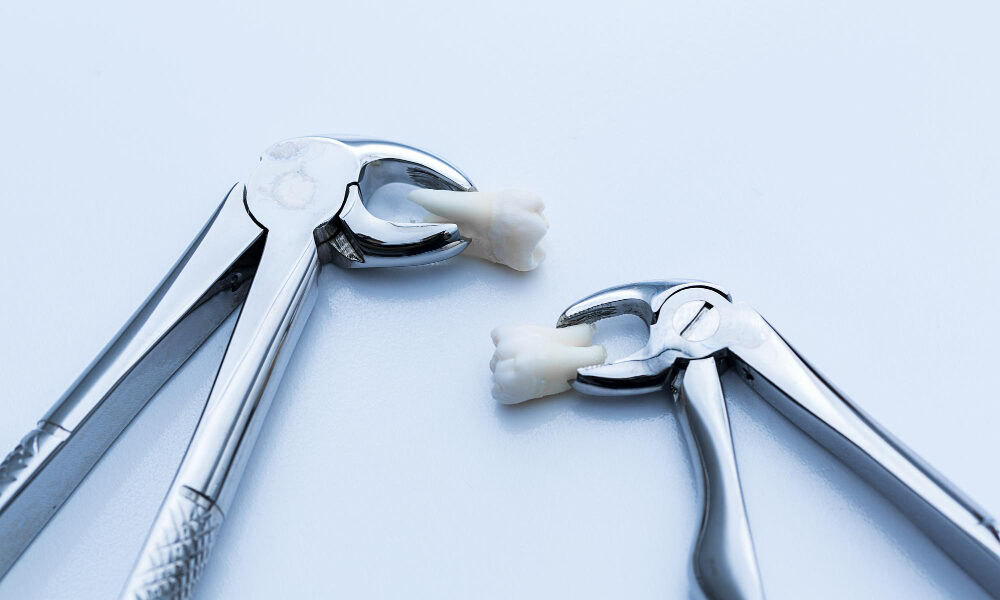
During the procedure, we use a numbing medication to keep the extraction painless. Then, with specialized instruments, we loosen and remove the tooth from its socket. Finally, we suture the gum tissue closed and place a gauze pad over the area to help stop bleeding.
Step 3: Tooth Extraction Recovery
After getting teeth pulled in Overland Park, you may experience side effects such as bleeding, bruising, pain, and swelling. These side effects typically go away within a week.
To promote healing, follow these care instructions:
- Rest: For about 3 days after tooth extraction, rest and keep your head elevated. You may return to routine activities after that, though it can take the jawbone several weeks to heal.
- Apply a Cold Compress: To manage swelling in the gums and jaw, apply an ice pack or cold compress for 15 to 20 minutes at a time.
- Bite Gently on Gauze: The first night after the procedure, you may experience some bleeding. To encourage clotting, place folded pieces of gauze over the extraction site and gently bite down on it to secure it into place.
- Take Prescribed Medication: The worst discomfort after a tooth extraction usually happens around day 3. Make sure to take prescribed pain and antibiotic medications to manage pain.
- Do Not Brush, Spit, or Rinse: Don’t brush your teeth, rinse, or spit for 24 hours after extraction, since this can potentially dislodge the blood clot.
- Eat Only Soft, Nutritious Foods: Avoid hard, crunchy, spicy, or sticky foods after tooth extraction. Stick to foods like yogurt, smoothies, mashed potatoes, and soup.
- Don’t Drink With a Straw: Drink plenty of water, but don’t drink with a straw. The suction can dislodge blood clots and lead to dry socket.
Improving Comfort: Understanding IV Sedation
For additional comfort, we also offer IV sedation for our patients getting their teeth pulled in Overland Park.
With IV sedation, we place a small IV in your arm or hand and deliver medication directly into your bloodstream. The medication helps you feel deeply relaxed, and many patients become so comfortable they sleep through the whole procedure.
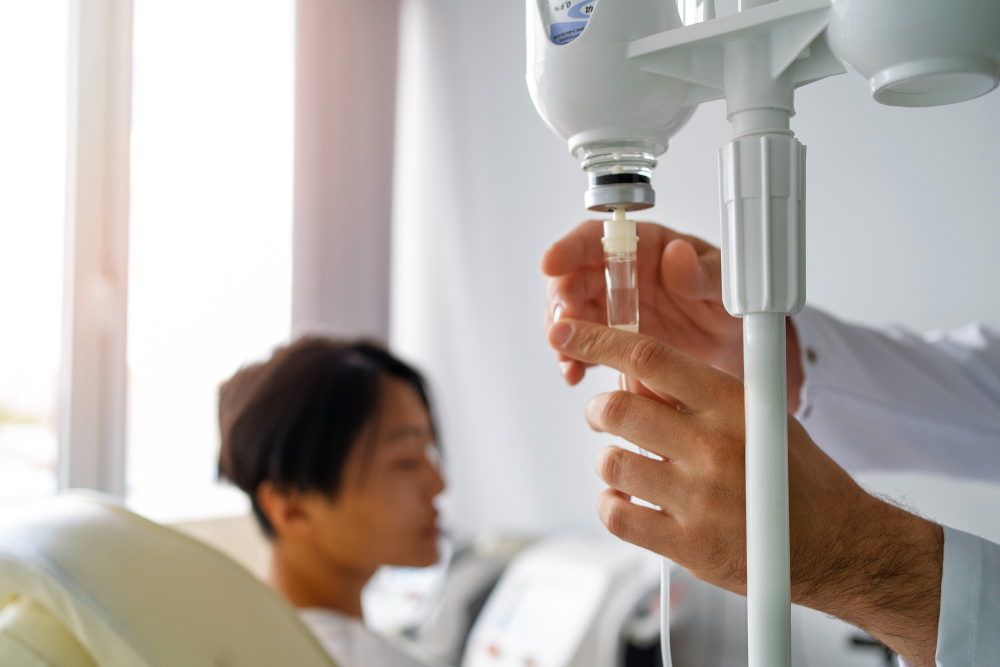
During the extraction, our team—consisting of your dentist, a trained anesthetist, and skilled dental assistants—closely monitors your breathing, heart rate, and blood pressure the entire time.
While sedated, you remain responsive to verbal cues, but many patients don’t remember much afterward. This makes IV sedation a safe and effective option for those with dental anxiety or for patients who need multiple teeth removed in a single visit.
Options for Replacing Teeth After Tooth Extraction
After a tooth extraction, you may want to replace the lost tooth with a dental implant. After the healing process completes, we can replace the lost tooth or teeth with single or multiple dental implants, or even provide full-arch implants.
Single & Multiple Tooth Implants
With single or multiple tooth implants, we can give you new, strong teeth you can rely on for years to come.
First, we use our advanced CBCT X-ray to form a detailed 3D model of the area. Then we create a preview of your final results so you can see exactly how your new tooth will fit into your smile.
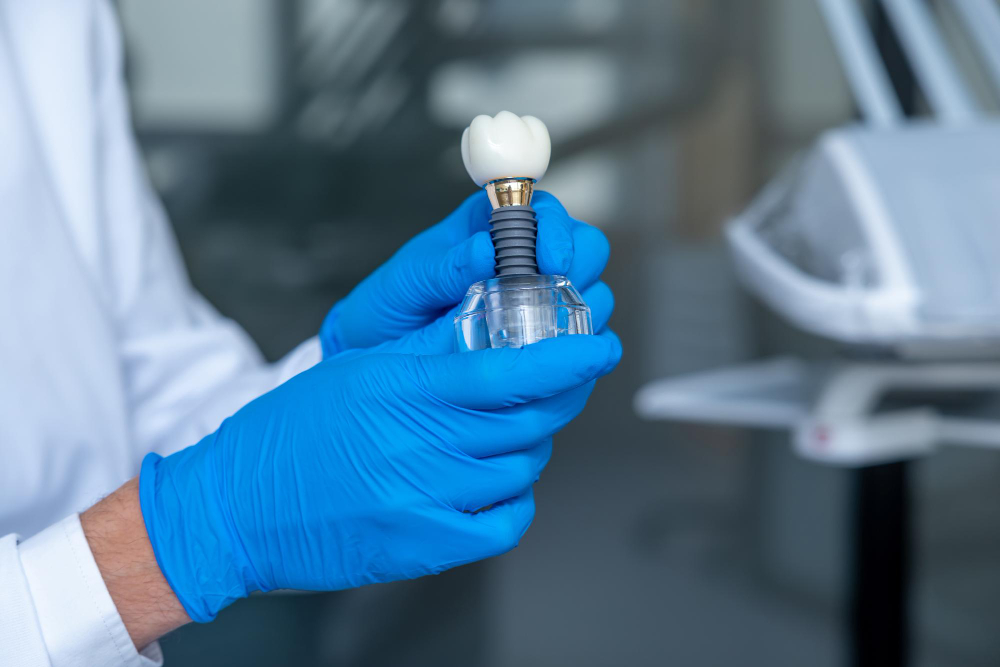
Next, we use anesthetic to numb the mouth and create a small, precise hole in the jawbone, where we put a threaded post. This threaded post acts as an artificial tooth root.
The threaded post then fuses with the jawbone over the next few months in a process called osseointegration.
Finally, you return to our office for the last phase, where we create a custom abutment to fit securely onto your implant and serve as the foundation for your new tooth. On top of the abutment, we place the crown—which serves as the artificial tooth.
We match the appearance of your dental implant to the rest of your natural teeth, so it fits seamlessly into your smile and bite.
Full-Arch Implants
A full-arch implant replaces a full row of up to 14 teeth. If you’ve experienced the loss of multiple teeth and want a long-term, low-maintenance option, full-arch implants offer a natural-looking, permanent restoration.
With a full-arch implant, we do not need to use an anchor for each tooth. Instead, we use only 4 to 6 implants. The arch then anchors onto those 4 to 6 implants in a quick, easy procedure.
While dentures also offer a solution to lost teeth, they reduce your natural biting force and require regular refitting. With full-arch implants and proper care, you can keep your new teeth for a lifetime.
Frequently Asked Questions About Tooth Extraction
Still have some questions about what it’s like to get your teeth pulled in Overland Park? Here are some of our most frequently asked questions about tooth extraction and our answers.
How do I know if my tooth needs to be removed?
You may need a tooth extraction if you experience:
- Severe tooth pain
- Pain when chewing
- Face or jaw swelling
- A loose or shifting tooth
- A broken tooth
If you experience any of these symptoms—or any unusual or uncomfortable dental symptoms—call our office to set up an appointment.
While a tooth extraction may be the best way to protect your teeth, we also offer fillings, crowns, and root canals. The sooner you come in, the more likely it is that we can save your teeth.
Why is day 3 the worst after tooth extraction?
Day 3 is usually the worst after getting teeth pulled in Overland Park because this is when inflammation reaches its peak. During the first 48–72 hours, swelling builds in the area as your body begins healing. That added pressure increases pain and stiffness and can make opening your mouth difficult.
After Day 3, the inflammation usually starts to go down and things begin to feel noticeably better.
During this time, continue to take any prescribed pain medication, use ice packs, and get plenty of rest.
What is dry socket, and how can I prevent it?
Dry socket is a painful condition that occurs when a blood clot does not form at the tooth extraction site, comes out of the socket, or dissolves before the wound has effectively healed.
Typically, a blood clot forms around the site, protecting the underlying bone and nerve endings in the now-empty tooth socket. If that clot does not form or becomes dislodged, the bone and nerves will be exposed, which causes intense pain. The socket can swell and become irritated. It can also fill with food, making the pain worse.
To prevent dry socket from occurring, make sure to practice good oral care, avoid smoking or other tobacco products, and only gently rinse your mouth for the first 24 hours after the tooth extraction procedure.
Why Choose Kansas Family Dental for Tooth Extraction
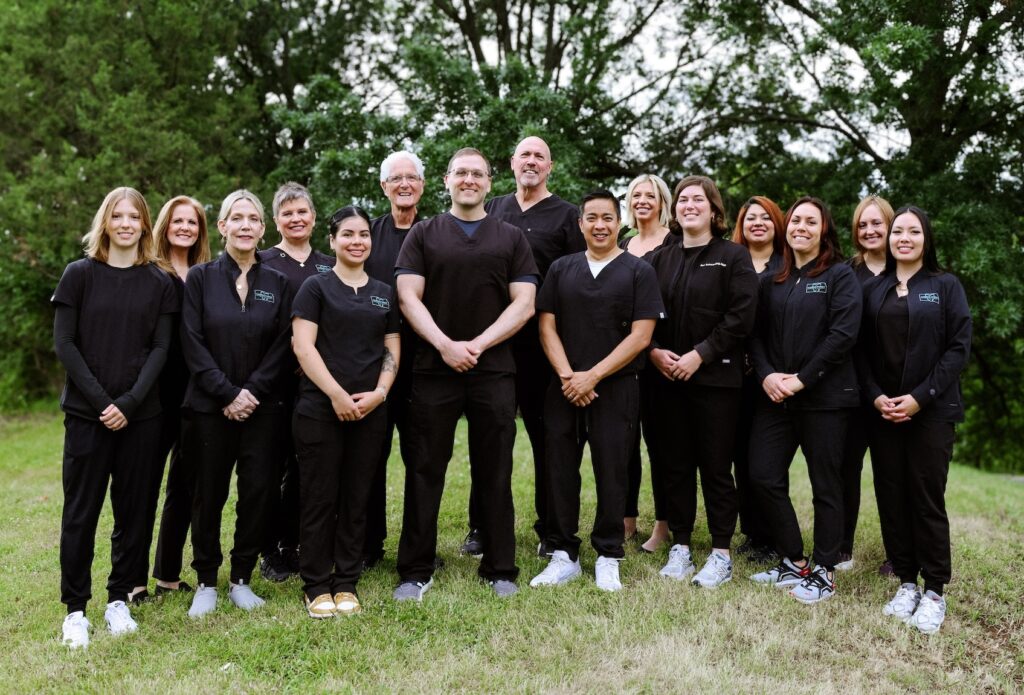
With state-of-the-art dentistry equipment (and a love for old-fashioned customer service), we believe in making every procedure efficient and comfortable for our patients. Our kindhearted staff and dedicated professionals help you feel at ease every step of the journey and make getting your smile back not just easy, but enjoyable.
Just hear about some of our patients’ experiences:
“Dr. Ross Thompson is great. He is one of the only dentists I have gotten who actually made sure I was truly numb before doing a tooth extraction. I have always ended up in tears previously having tooth pulled but this was a first that I was fine.”
“Diane and Dr. V were very personable and professional as were the staff at the front desk. Thanks for making it an easy visit.”
“I met Rae for the first time. She explained every detail of what she was doing and which tools she was using. I highly recommend her!”
Protect Your Oral Health With Tooth Extraction at Kansas Family Dental
Getting teeth pulled in Overland Park is typically quicker and more comfortable than most patients expect. At Kansas Family Dental, we prioritize your comfort and oral health. By removing a problem tooth, we can protect your overall health by stopping infection or preventing future complications.
If you think you might need a tooth extraction, call us at our office to book an appointment. Or book online here on our website.
Looking for something else? Try our treatment planner to discover more options.